
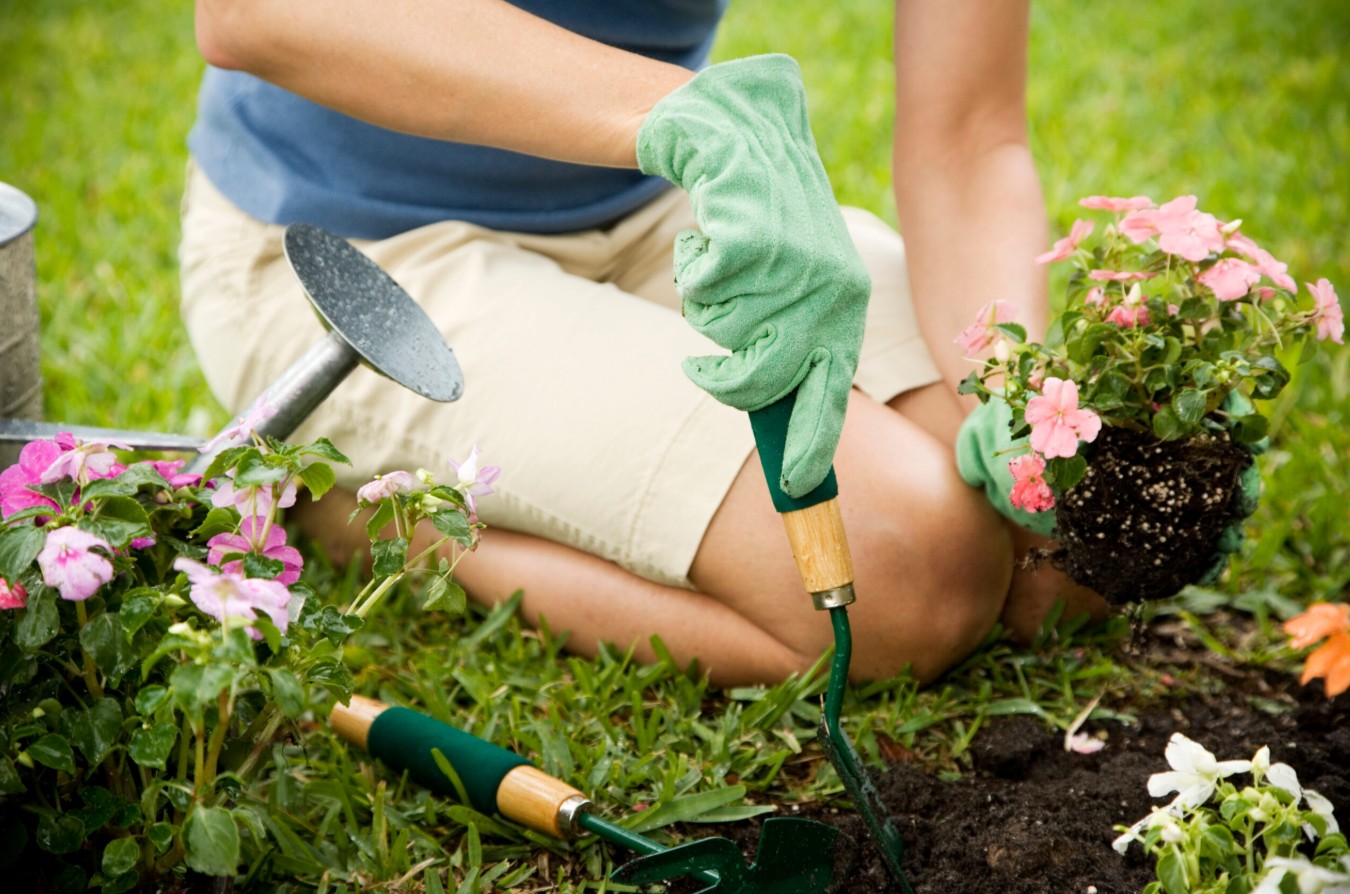
The first warm weekend of the season arrives and you are out the door. After a long Ontario winter, there is nothing quite like getting your hands back in the soil, clearing out last year's growth, and bringing the garden back to life. It feels great in the moment.
Then Monday morning comes.
Your lower back is stiff getting out of bed. One shoulder protests when you reach for your coffee. And you are left wondering how a few hours of something so enjoyable could leave you feeling this way.
At Active Chiropractic in Paris, Ontario, we see this pattern every spring without fail. The good news is that gardening injuries are not inevitable. They are almost always the result of specific, correctable movement habits and a body that was not quite ready for the demands of the season. In this post, we will walk you through why gardening is harder on the body than most people expect, which injuries are most common, and how to protect yourself all season long.
Why Gardening Is Harder on Your Body Than You Think
Gardening does not feel like a workout. That is part of what makes it so deceptively demanding. Unlike a gym session where you warm up, move through controlled ranges of motion, and then stop, gardening involves hours of sustained awkward postures, repetitive movements, and lifting, all performed on uneven ground and usually without a warm-up in sight.
The physical demands add up quickly:
- Sustained forward bending while weeding, planting, and raking
- Repetitive one-sided movements like hoeing and digging
- Prolonged kneeling and squatting on hard or uneven surfaces
- Overhead reaching and lifting when pruning or moving pots
- Gripping tools tightly for extended periods
Compound that with the reality of a Canadian winter. Most of us spend the colder months significantly less active, and then the first warm weekend arrives and we dive into three hours of physical labour with a body that has not been asked to do anything like that in months. Muscles, joints, and connective tissue that have been relatively dormant are suddenly asked to perform, and that gap between what the body is prepared for and what it is being asked to do is exactly where injuries happen.
According to the Public Health Agency of Canada, musculoskeletal injuries are among the most common and preventable health concerns for adults. Knowing that gardening carries real physical risk is the first step toward managing it.

The Most Common Gardening Injuries We Treat
Here are the injuries that bring gardeners into our Paris, Ontario clinic most often each spring and summer:
- Lower back strain and disc irritation: Sustained forward bending is one of the most stressful positions for the lumbar spine. Weeding for 20 minutes without changing position places prolonged compressive load on the discs and overstretches the posterior muscles and ligaments. That next-morning ache is your body communicating that the load exceeded its capacity.
- Rotator cuff strain and shoulder impingement: Repetitive overhead movements like pruning, lifting bags of soil, and reaching compress the tendons of the rotator cuff. The shoulder becomes particularly vulnerable when these movements are performed with fatigue or poor mechanics.
- Neck and upper back tension: Looking downward while weeding or planting for extended periods loads the cervical spine in the same way that prolonged phone use does. The head weighs between 10 and 12 pounds, and every inch of forward tilt significantly increases the strain on the neck.
- Knee pain: Prolonged kneeling on hard or uneven ground compresses the knee joint and irritates the bursae, particularly when a proper kneeling pad is not used.
- Wrist and forearm strain: Gripping tools repeatedly for hours leads to forearm muscle fatigue and can aggravate conditions like tennis elbow or carpal tunnel syndrome.
How to Garden Smarter: Prevention Tips That Actually Work
You do not need to give up your garden to protect your body. You just need to approach the season a little differently.
Before You Start
- Warm up first. A five-minute walk followed by gentle neck rolls, hip circles, and a few back extension movements prepares your spine and soft tissue for what is ahead. It takes almost no time and makes a real difference.
- Plan your session. Especially early in the season, set a time limit. Ninety minutes of focused gardening with proper technique beats three hours of grinding through fatigue.
- Hydrate before you go out. Dehydrated muscles fatigue faster and are more prone to strain.
While You Are Gardening
- Lift with your legs, not your back. When picking up bags of soil, pots, or anything from the ground, hinge at the hips and drive through the legs. Keep the load close to your body and avoid twisting while holding weight.
- Change positions regularly. Do not stay in any single posture, whether kneeling, forward bending, or squatting, for more than 15 to 20 minutes. Set a phone timer if that helps you stay accountable.
- Switch sides when raking or hoeing. Alternating your grip every few minutes prevents asymmetrical overuse and reduces the strain on one side of the body.
- Use the right tools. Long-handled tools reduce how far you need to bend. Ergonomic grips reduce wrist strain. A kneeling pad is one of the simplest and most effective investments any gardener can make for their knee health.
- Bring the work to you. Raised garden beds eliminate much of the sustained stooping that strains the lower back. Position yourself close to your work rather than reaching and twisting from a distance.
After Your Session
- Gently stretch the lower back, hip flexors, chest, and shoulders
- Apply ice to any area that feels acutely sore or inflamed for the first 6 to 12 hours
- Allow recovery time between heavy sessions, particularly in the first few weeks of the season
Research from the National Institutes of Health supports movement variety and postural changes as effective strategies for reducing musculoskeletal injury risk during repetitive physical tasks.
When to See a Chiropractor
Some muscle soreness after a full day in the garden is normal. But there are signs that something beyond general fatigue is happening, and those signs are worth paying attention to early:
- Pain that persists beyond 48 to 72 hours without improving
- Sharp or shooting pain in the back, neck, or down an arm or leg
- Pain that worsens with movement rather than easing with rest
- Numbness or tingling in any extremity
- Shoulder pain with a reduced range of motion overhead
- Recurring soreness in the same area season after season
That last point is important. If you notice the same injury coming back every spring, your body is telling you that something has not fully resolved. Early treatment almost always means faster recovery and a lower chance of the problem becoming chronic.

How Chiropractic Care Helps Gardening Injuries
At Active Chiropractic, we begin with a thorough assessment to understand exactly what happened and what structures are involved. From there, treatment is built around your specific injury and what your body needs to recover fully.
Depending on what we find, your care plan may include:
- Spinal adjustments: Restore proper movement and alignment in the lumbar and cervical spine following the sustained flexion loads that gardening places on the back and neck.
- Muscle release therapy: Hands-on soft tissue treatment targeting the overworked muscles of the lower back, upper back, neck, and shoulder girdle. Learn more about our Muscle Release Therapy.
- Cold laser therapy: Reduces acute inflammation in strained soft tissue and accelerates the healing process. Find out how Cold Laser Therapy works.
- Rehabilitative exercises: Targeted movements to restore strength and stability so the same injury does not return next season. See our approach to Rehabilitative Exercise.
- Custom orthotics: For gardeners spending long hours on their feet, proper foot support reduces the load transmitted upward through the knees, hips, and lower back. Learn more about Custom Orthotics at our clinic.
If gardening pain has become a pattern for you, our approach to Chronic Pain Relief addresses the underlying contributors so you are not starting each season already behind.
Protect Your Body So You Can Enjoy the Whole Season

Gardening is one of life's genuine pleasures. Getting outside, working with your hands, watching things grow from season to season. It should not come with a physical penalty attached. With a few smart adjustments to how you approach your time in the garden, and prompt care when something does not feel right, you can enjoy the full season without your body sidelining you.
Our team at Active Chiropractic is right here in Paris, Ontario, helping patients across Brantford, Cambridge, and Brant County get back to doing what they love, including spending time in the garden.
Sore after a big weekend outside? Do not wait for it to get worse. Call us at (519) 442-7100 or book your appointment here. We are always welcoming new patients and we would love to help you get back outside.